

Understanding Lyophilization: A Beginner’s Guide to the Science of Freeze Drying
From pharmaceuticals to the burgeoning food-tech and cannabis industries, the need to preserve sensitive biological materials is paramount. The primary challenge has always been removing water—the catalyst for degradation—without destroying the product’s delicate structure and chemical efficacy. This is where the powerful technique of lyophilization, commonly known as freeze drying, becomes essential. It’s a sophisticated preservation method that goes far beyond simple dehydration, employing principles of physics to achieve unparalleled stability and longevity for a vast range of materials.
From Ancient Mammoths to Modern Medicine: What is Lyophilization?
Nature itself provides the most dramatic evidence of freeze drying’s preservation power. The discovery of a woolly mammoth that died 52,000 years ago, spontaneously freeze-dried and preserved in the Siberian permafrost, astonished the world. As noted in scientific research from institutions like the Weizmann Institute of Science, this natural phenomenon allowed the mammoth’s ancient genome architecture to remain intact for millennia. The intense, dry cold effectively locked the biological material in a state of suspended animation.
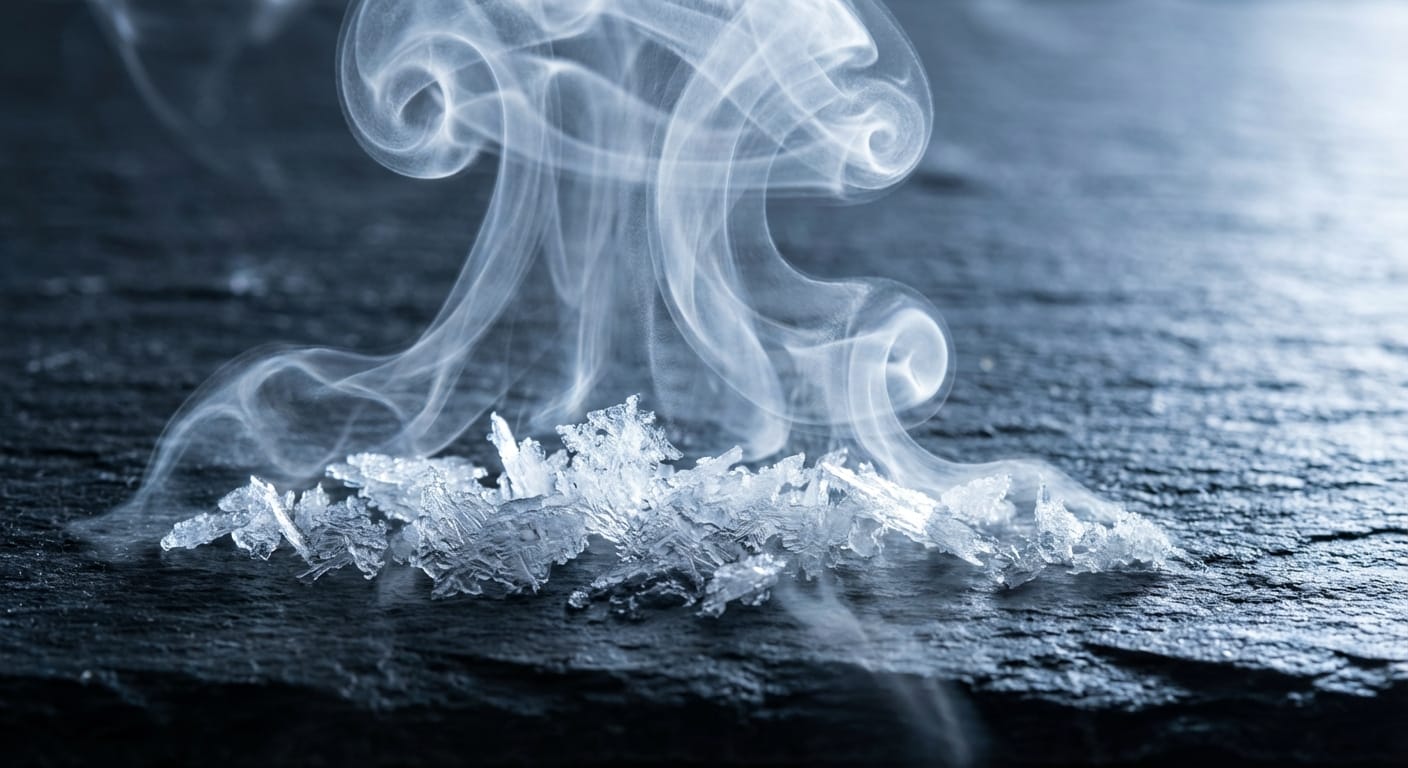
Modern lyophilization harnesses this same principle in a controlled, scientific setting. It is a low-temperature dehydration process that removes water or other solvents from a frozen product through a process called sublimation. Unlike conventional drying, which uses heat and can cause significant damage to heat-sensitive materials, freeze drying gently transitions frozen water directly from a solid state (ice) to a gaseous state (vapor), bypassing the liquid phase entirely. This ensures that the physical structure, chemical integrity, and biological activity of the material—be it a complex vaccine or a delicate cannabis flower—are meticulously preserved.
The Science of Sublimation: The Three Core Stages of Freeze Drying
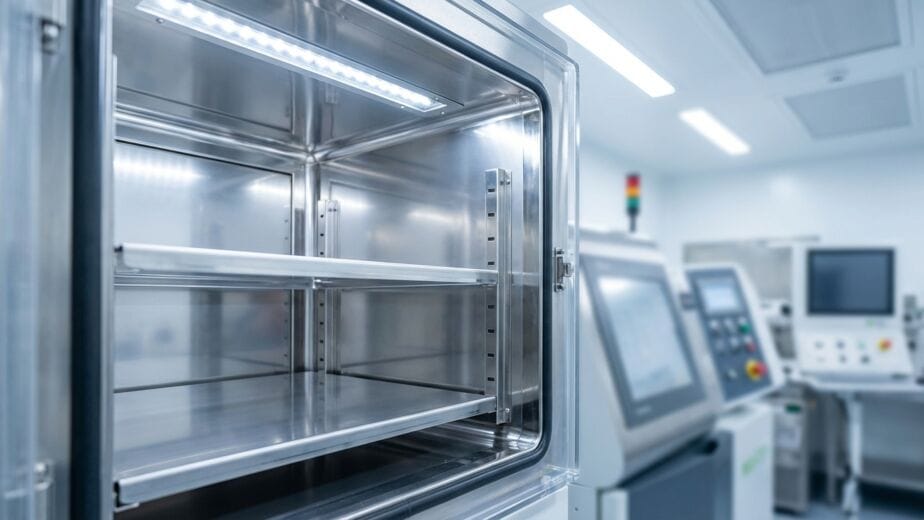
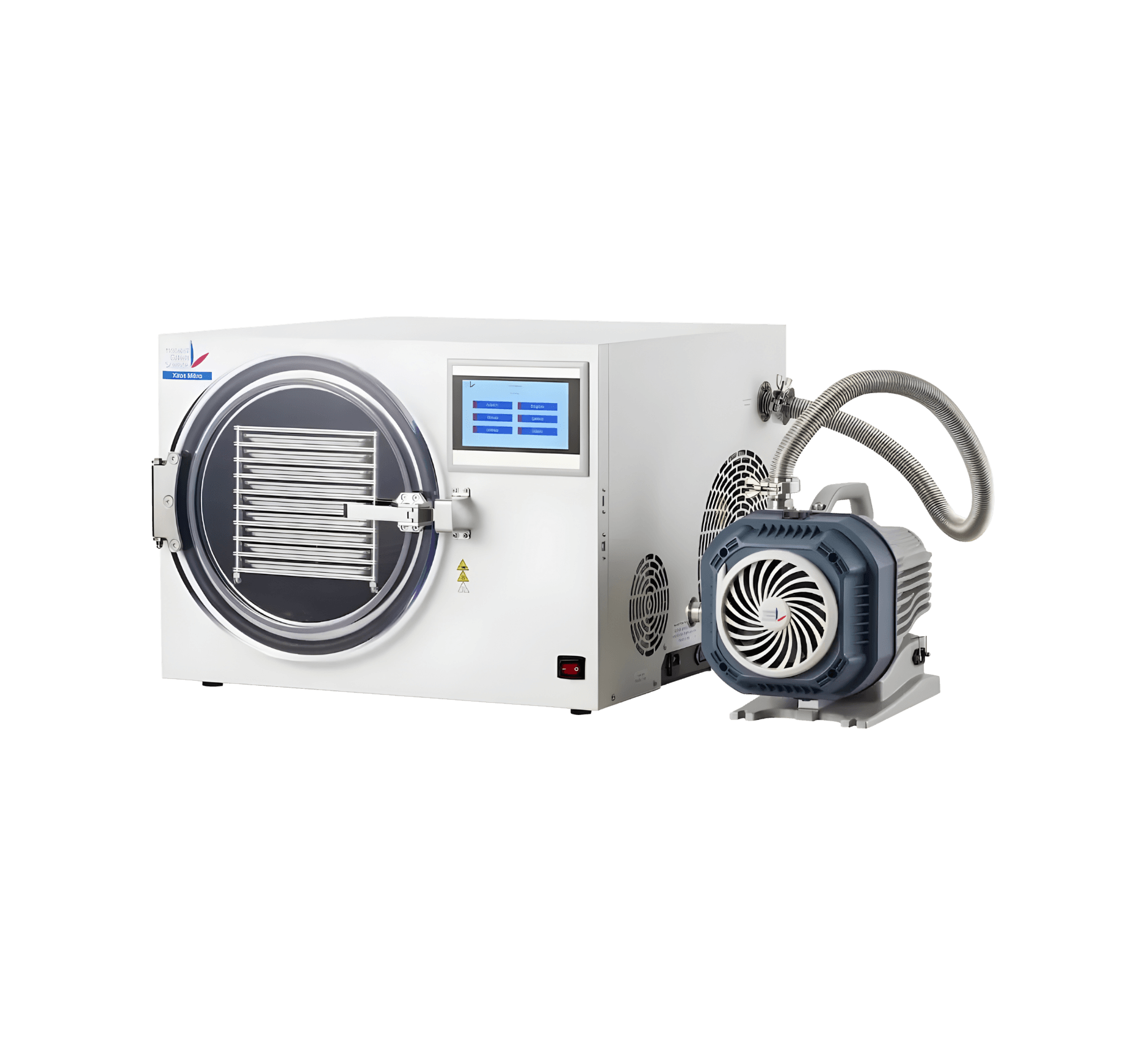
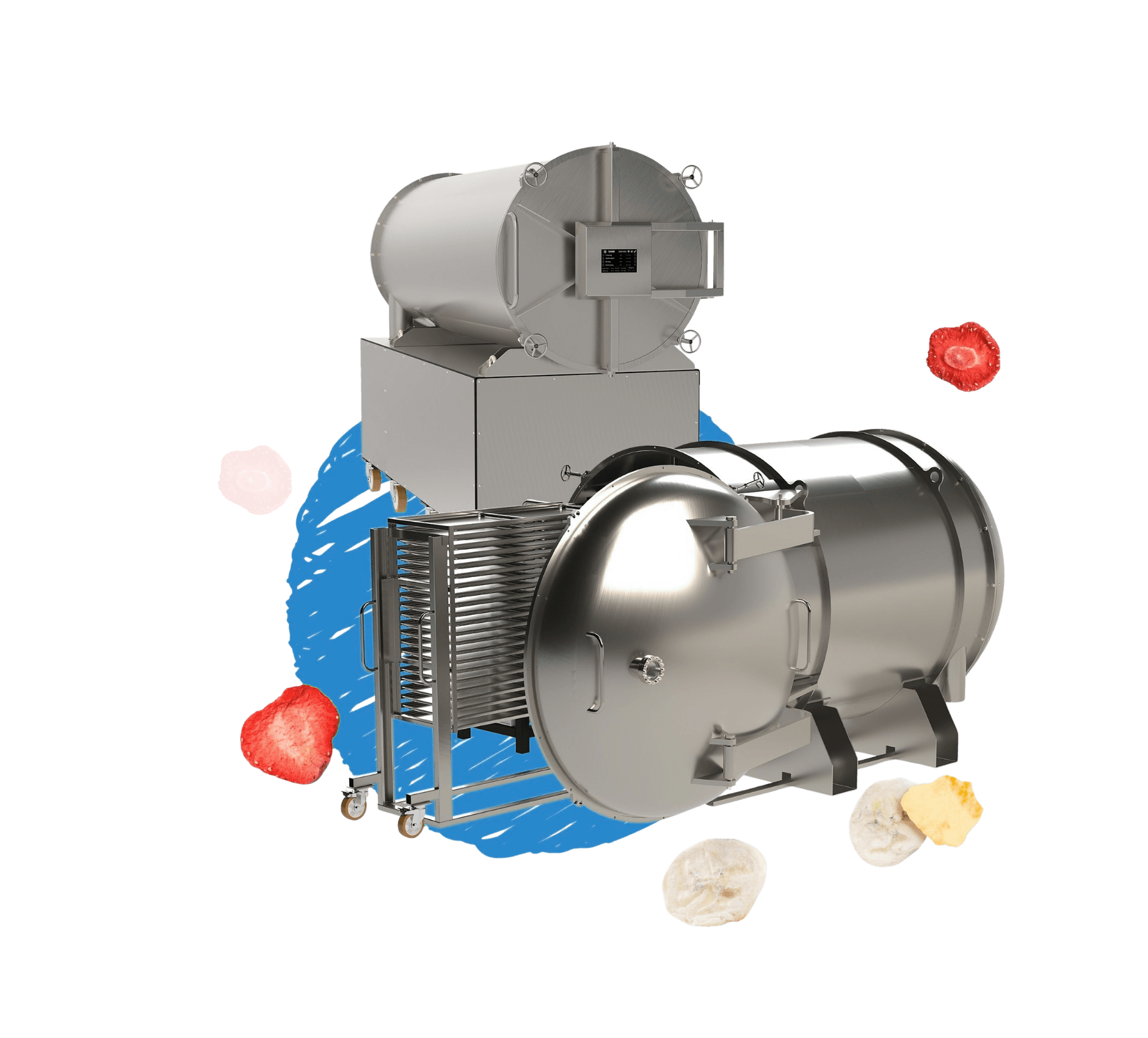
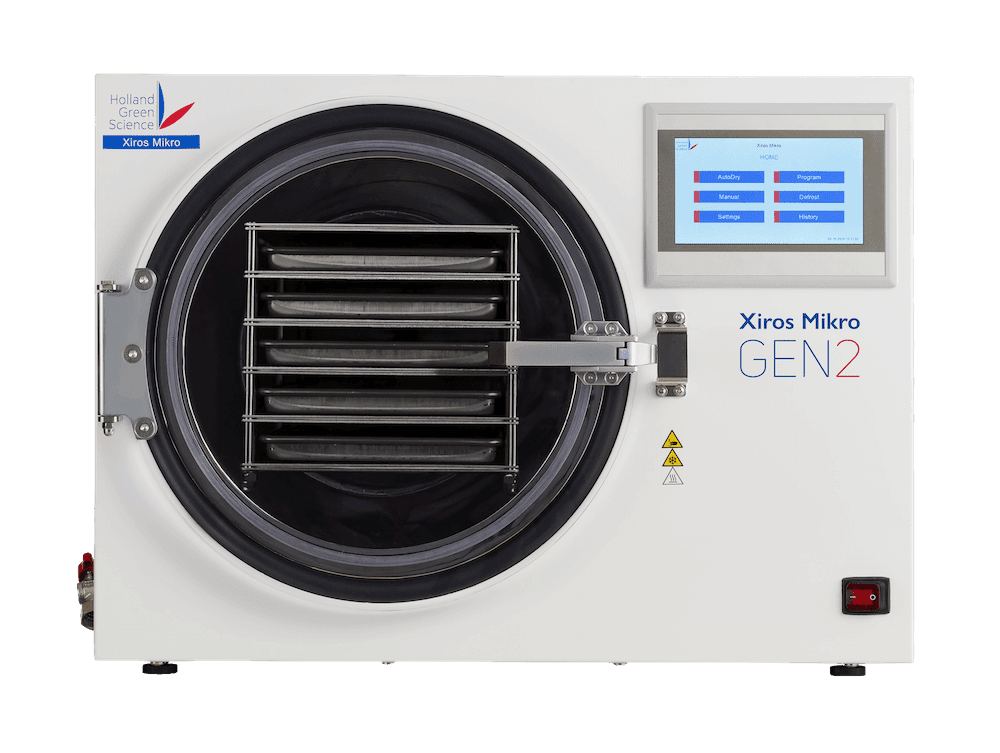
Achieving successful lyophilization requires precise control and a deep understanding of thermodynamics. The entire process is meticulously managed within a freeze dryer, a sophisticated piece of equipment designed to manipulate temperature and pressure with extreme accuracy. The journey from a liquid, perishable product to a stable, dry powder or solid involves three distinct and critical stages.
Stage 1: Freezing (Solidification)
The first and foundational step is freezing. The material is carefully cooled to a temperature well below its triple point—the specific temperature and pressure at which solid, liquid, and gas phases can coexist. This ensures that all the water within the product solidifies into ice. The rate of this freezing process is not arbitrary; it is a critical parameter that dictates the size and structure of the ice crystals formed. A slow freezing rate tends to produce larger, more uniform ice crystals, which can create larger pores in the dried product, facilitating faster sublimation. Conversely, rapid freezing results in smaller ice crystals, which can be crucial for preserving the delicate cellular structure of certain biological samples. The choice of freezing protocol is therefore the first step in optimizing the final product’s quality and its ability to be easily reconstituted later.
Stage 2: Primary Drying (Sublimation)
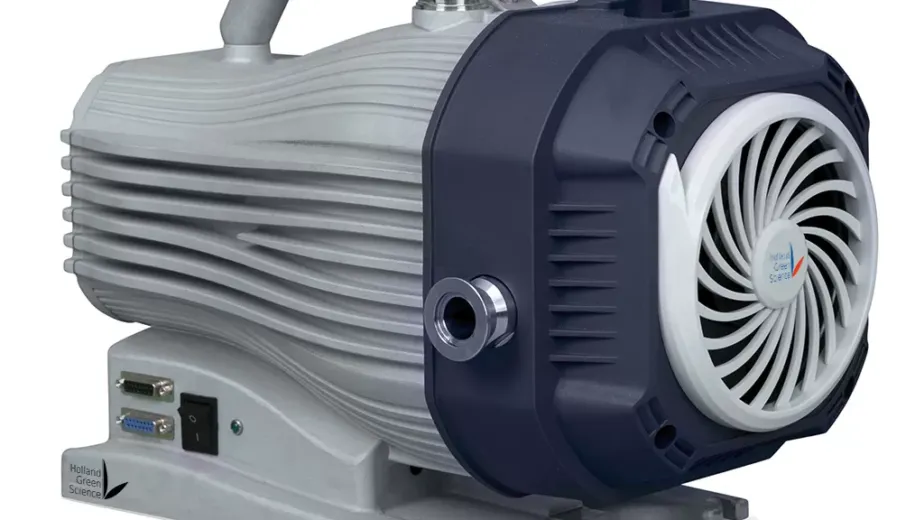
This stage is the heart of the lyophilization process. Once the product is thoroughly frozen, the freeze dryer’s vacuum pump is engaged to create a deep vacuum inside the product chamber, significantly lowering the pressure. With the pressure reduced to a fraction of a millibar, a small amount of controlled heat is applied to the shelves holding the product. This energy input is just enough to cause the frozen water molecules to transition directly into vapor—a phase change known as sublimation. The water vapor is then drawn away from the product and captured by a condenser, which is maintained at an extremely low temperature (often -60°C to -80°C), where it freezes onto coils as ice. This gentle but persistent process removes approximately 95% of the water without ever allowing the product to thaw. It is this avoidance of the liquid phase that protects the structural integrity of the material, a crucial aspect for meeting stringent pharmaceutical manufacturing standards.
Stage 3: Secondary Drying (Desorption)
Even after primary drying, a small amount of residual moisture remains, bound to the surface of the material through molecular adsorption. To achieve maximum long-term stability, this bound water must also be removed. In the secondary drying stage, the vacuum is maintained while the shelf temperature is gradually increased, sometimes to above 0°C. This additional energy breaks the bonds between the remaining water molecules and the product’s surface, a process called desorption. These freed water molecules are then drawn away to the condenser. This final step is crucial for achieving a residual moisture content of typically 1-4%, rendering the product chemically stable for storage at room temperature for years.
Key Applications: Why Israeli Labs Rely on Lyophilization
The unique ability of lyophilization to preserve sensitive materials makes it an indispensable technology across Israel’s most innovative sectors. The core benefits—dramatically extended shelf life without refrigeration, stabilization of complex molecules, and ease of transport and storage—are critical for research, development, and commercial production. Here’s how key industries leverage this powerful process:
- Pharmaceuticals: In the pharmaceutical and biotech industries, stability is not just a goal; it’s a regulatory requirement. Lyophilization is the gold standard for preserving labile products like vaccines, antibodies, proteins, and other injectable drugs. Many complex biological therapies would rapidly degrade and lose their potency if stored in a liquid state. Freeze drying allows these life-saving medicines to be stored for extended periods and shipped globally without the need for a complex cold chain, ensuring they remain effective until they are reconstituted for patient use.
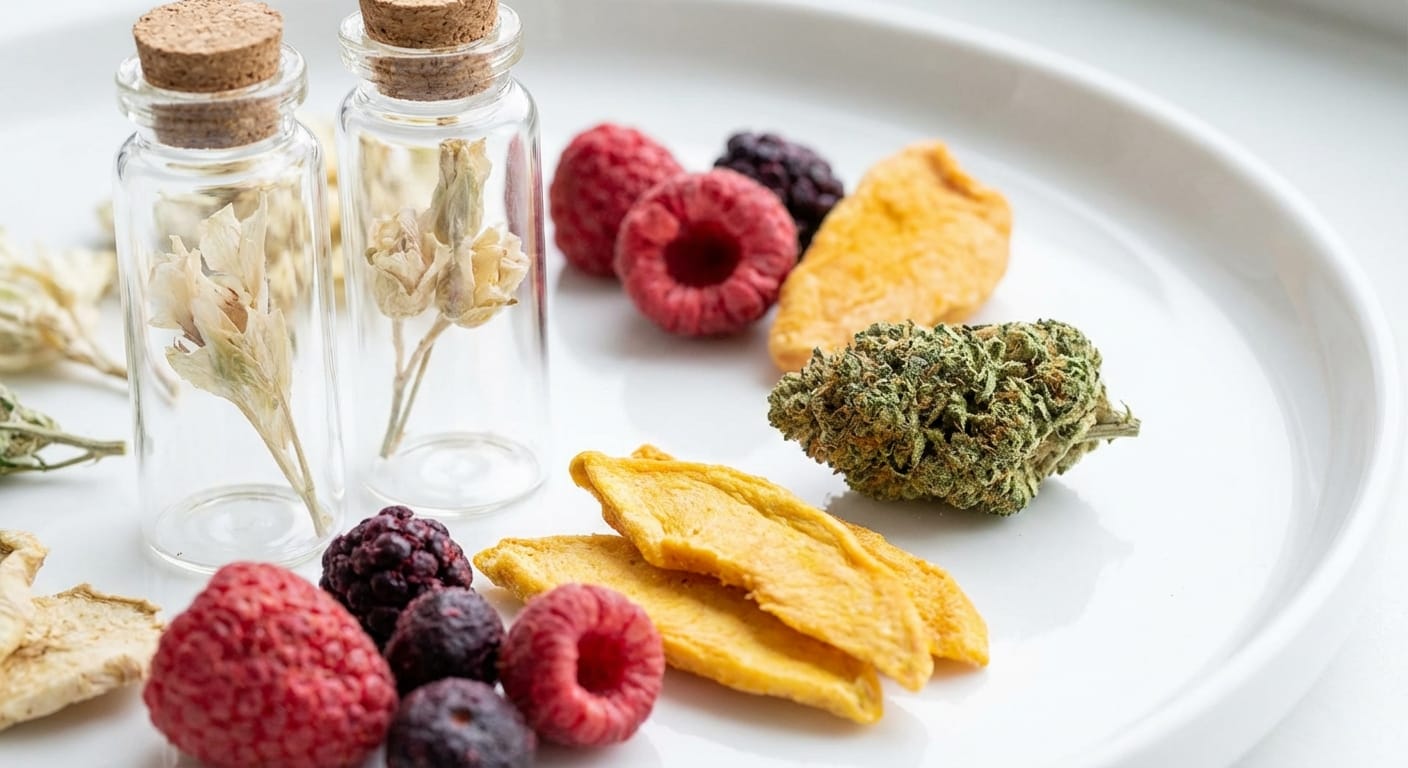
- Cannabis Industry: For licensed cannabis producers in Israel, preserving the quality of the final product is essential for both medical efficacy and market value. Traditional heat-curing methods can destroy volatile terpenes (which provide aroma and flavor) and degrade sensitive cannabinoids. Freeze drying, by contrast, removes moisture at low temperatures, perfectly preserving the flower’s chemical profile, structural integrity, color, and aroma. This results in a premium-quality product that commands a higher price and provides a superior therapeutic experience. The same applies to extracts, where lyophilization helps create stable, solvent-free concentrates.
- Food-Tech & Academia: Israel is a global hub for food-tech innovation and world-class academic research at institutions like the Weizmann Institute of Science and the Technion. In this sphere, lyophilization is used to create novel food ingredients with extended shelf lives, preserve the viability of starter cultures and probiotics, and prepare biological samples for analysis. Researchers rely on it to stabilize enzymes, proteins, and cell cultures for long-term study without compromising their biological function, making it a cornerstone of modern scientific investigation.
Beyond the Box: Why Your Equipment and Service Partner Matters
Achieving a perfect lyophilization cycle—one that is both efficient and yields a high-quality product—is a complex scientific endeavor. The process demands meticulous and reliable control over temperature, pressure, and time. This level of precision is only possible with high-quality, robust, and compliant machinery. Simply purchasing a freeze dryer off the shelf is not enough; the expertise and support behind the equipment are just as critical as the technology itself.
Many suppliers in the market operate as mere “box movers,” delivering equipment without the necessary infrastructure for installation, validation, maintenance, or emergency support. This approach can lead to catastrophic downtime for laboratories and production facilities, where a single failed batch can represent months of research or significant financial loss. In contrast, a true solutions partner understands that their role begins, not ends, with the delivery of the machine.
This is where Cryowave Solutions provides a decisive advantage for Israeli laboratories. As the exclusive local branch of the renowned Dutch manufacturer Holland Green Science, we offer more than just state-of-the-art equipment. We provide the ‘Local Advantage’—a comprehensive support ecosystem designed for the specific needs of the Israeli market.
- Local Stock in Israel: No more waiting weeks or months for equipment or critical spare parts to arrive from overseas. Our local inventory ensures immediate availability, accelerating your projects and eliminating costly delays.
- Local Israeli Technicians: Our team of factory-trained technicians is based in Israel, ready to handle installation, commissioning, preventative maintenance, and troubleshooting. You get expert support from professionals who understand your language and your operational environment.
- Unmatched 4-Hour SLA: For critical operations, downtime is not an option. We are the only supplier in Israel to offer a guaranteed 4-hour Service Level Agreement (SLA) response time, providing you with the peace of mind that help is always just around the corner.
All Holland Green Science freeze dryers are CE Certified and engineered to be GMP Ready, meeting the stringent regulatory requirements of the pharmaceutical and medical cannabis industries. Choosing Cryowave Solutions means investing in operational continuity and long-term success, not just a piece of hardware.
Frequently Asked Questions about Lyophilization
What is the main advantage of lyophilization over other drying methods?
The primary advantage is preservation. Traditional drying methods use heat to evaporate water, which can denature proteins, alter chemical structures, and destroy the physical integrity of the material. This often leads to a loss of potency in pharmaceuticals, diminished flavor and nutritional value in food, and degradation of sensitive compounds. Lyophilization, by removing water at low temperatures via sublimation, avoids these destructive effects. It maintains the product’s original structure, activity, and composition, resulting in a superior-quality, stable product that can be easily reconstituted to its original state.
Can any product be freeze-dried?
Most materials that contain water can be successfully freeze-dried. This includes pharmaceuticals, biological samples, foods, and even delicate plant materials. However, some substances present challenges. For example, products with very high concentrations of sugars or salts can have very low freezing points or collapse temperatures, making them difficult to process without careful recipe development. Similarly, materials containing non-aqueous solvents require specialized freeze dryers and protocols. This is precisely why process optimization and having equipment with precise control capabilities are crucial for success with diverse or novel products.
How long does the freeze-drying process take?
The duration of a lyophilization cycle can vary significantly, ranging from just a few hours to several days. The total time depends on several factors, including: the type of product and its characteristics (e.g., solid content), the thickness of the product on the shelves, the target residual moisture level, and the specific capabilities of the freeze dryer. Small laboratory samples in a research setting might be dried overnight, while large-scale commercial batches of pharmaceutical vials can take 48-72 hours or more to complete.
What does ‘GMP Ready’ mean for a freeze dryer?
GMP stands for Good Manufacturing Practice, a set of stringent regulations enforced by bodies like the FDA and EMA for the production of pharmaceuticals, medical devices, and active pharmaceutical ingredients (APIs). A ‘GMP Ready’ freeze dryer is designed and constructed to facilitate compliance with these regulations. This includes features like being built from high-grade stainless steel (316L) for cleanability, having a clear documentation trail for all components and software, offering precise and repeatable process control, and providing the necessary validation documentation (IQ/OQ) to prove the equipment operates as intended. For any company in the pharmaceutical or medical cannabis space, GMP compliance is non-negotiable.
Achieve Superior Preservation with Local Expertise
Understanding the science behind lyophilization is the first step toward leveraging its incredible preservation capabilities. This powerful process, which transforms sensitive liquid materials into stable, long-lasting products, is fundamental to innovation in pharmaceuticals, cannabis, and food-tech. However, theoretical knowledge alone is not enough to guarantee success.
The ultimate quality of your final product depends directly on the precision, reliability, and compliance of your equipment. More importantly, it relies on the support infrastructure that keeps your operations running smoothly. At Cryowave Solutions, we combine the world-class engineering of Holland Green Science with the dedicated, responsive local support that Israeli labs demand. Don’t let equipment delays or a lack of technical service undermine your critical work.
For a consultation on how CE Certified and GMP Ready lyophilization solutions from Holland Green Science can elevate your research or production, contact the Cryowave Solutions team in Israel today at +972-58-649-3124.