

Oil-Free vs. Oil Vacuum Pumps: Which is Right for Your Lab?
The Critical Decision: Choosing the Right Vacuum Pump for Your Laboratory
For lab managers and R&D directors in Israel’s dynamic pharmaceutical, cannabis, and food-tech industries, selecting the right equipment is paramount. The choice between an oil-sealed and an oil-free vacuum pump isn’t merely a technicality; it’s a strategic decision that directly impacts operational efficiency, sample purity, regulatory compliance, and long-term costs. In the past, many institutions relied on centralized vacuum systems, but these are now widely recognized as inflexible and a major source of cross-contamination. Today, the standard is the dedicated, individual vacuum pump, tailored to a specific application. This shift demands a deeper understanding of the core technologies available, as the wrong choice can lead to compromised results and costly downtime. The two dominant types are oil-sealed rotary vane pumps and oil-free dry scroll pumps, both of which are types of positive displacement pumps but operate on fundamentally different principles with vastly different implications for a modern, sensitive laboratory.The Traditional Workhorse: Understanding Oil-Sealed Rotary Vane Pumps
Oil-sealed rotary vane pumps have been a laboratory staple for decades. Their operation relies on an eccentrically mounted rotor with vanes that trap, compress, and exhaust gas, using a specialized oil to create a seal, lubricate moving parts, and dissipate heat. Their primary, and often-cited, advantage is the ability to achieve a very deep or ‘ultimate’ vacuum, making them suitable for certain heavy industrial processes. However, for the pristine environments required in modern analytical and production labs, their drawbacks are significant and can no longer be ignored.- Maintenance Burden: These pumps demand a rigorous and consistent maintenance schedule. The oil degrades over time, becoming contaminated with process vapors, which necessitates regular, messy, and time-consuming oil changes. This scheduled downtime interrupts lab workflow, and the cost of specialized, low-vapor-pressure vacuum oil can accumulate into a substantial operational expense.
- Contamination Risk: The most critical flaw of oil-sealed pumps in sensitive applications is the phenomenon of ‘backstreaming.’ Under certain conditions, oil vapor can migrate from the pump back into the vacuum chamber. This vapor can contaminate high-value samples, ruin sensitive analytical instruments like mass spectrometers, and lead to the failure of an entire production batch. For any facility adhering to Good Manufacturing Practices (GMP), this risk is often unacceptable.
- Hidden Costs: The operational costs extend beyond just purchasing oil. Used vacuum pump oil, contaminated with various chemical compounds, is often classified as hazardous waste. Its proper disposal requires specialized services, adding another layer of logistical complexity and expense that is frequently overlooked during initial procurement.
- Noise & Vibration: Traditional rotary vane pumps are notoriously noisy, contributing to an unpleasant and distracting work environment. The constant drone and mechanical vibrations can interfere with concentration and may even affect the performance of nearby sensitive equipment, a significant concern in a compact laboratory setting.
The Modern Solution: The Rise of Oil-Free Dry Scroll Pumps
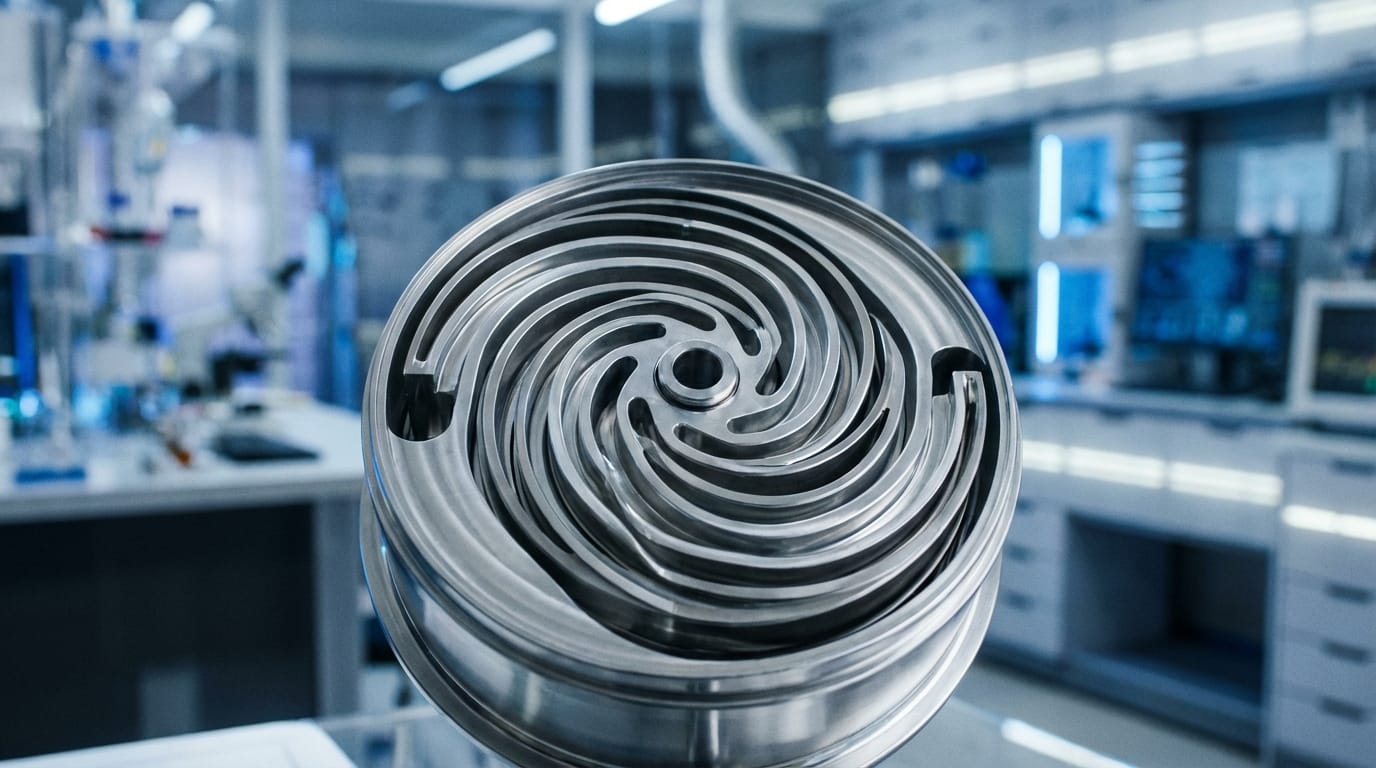
The clear successor to oil-based technology for sensitive applications is the oil-free dry scroll pump. These pumps represent a paradigm shift in vacuum generation, engineered specifically to eliminate the inherent problems of their predecessors. A scroll pump operates using two non-contact, interlocking spiral-shaped scrolls. One scroll remains stationary while the other orbits around it, trapping pockets of gas at the perimeter, compressing them as they move toward the center, and finally exhausting them. This elegant design is entirely mechanical, requiring no oil for sealing or lubrication within the vacuum path.- Zero Contamination: This is the single most important advantage. With no oil in the pump mechanism, the risk of process contamination via backstreaming is completely eliminated. This guarantees the purity of the vacuum environment, which is a non-negotiable requirement for applications in pharmaceuticals, food-tech, and high-level research. Your results are untainted, and your products are safe.
- Minimal Maintenance: The maintenance routine for a dry scroll pump is dramatically simpler and less frequent. Instead of messy oil changes every few months, the primary wear item is a simple tip seal. This component typically requires replacement only every 2 to 3 years, a clean procedure that can often be performed in-house in under an hour, minimizing downtime and labor costs.
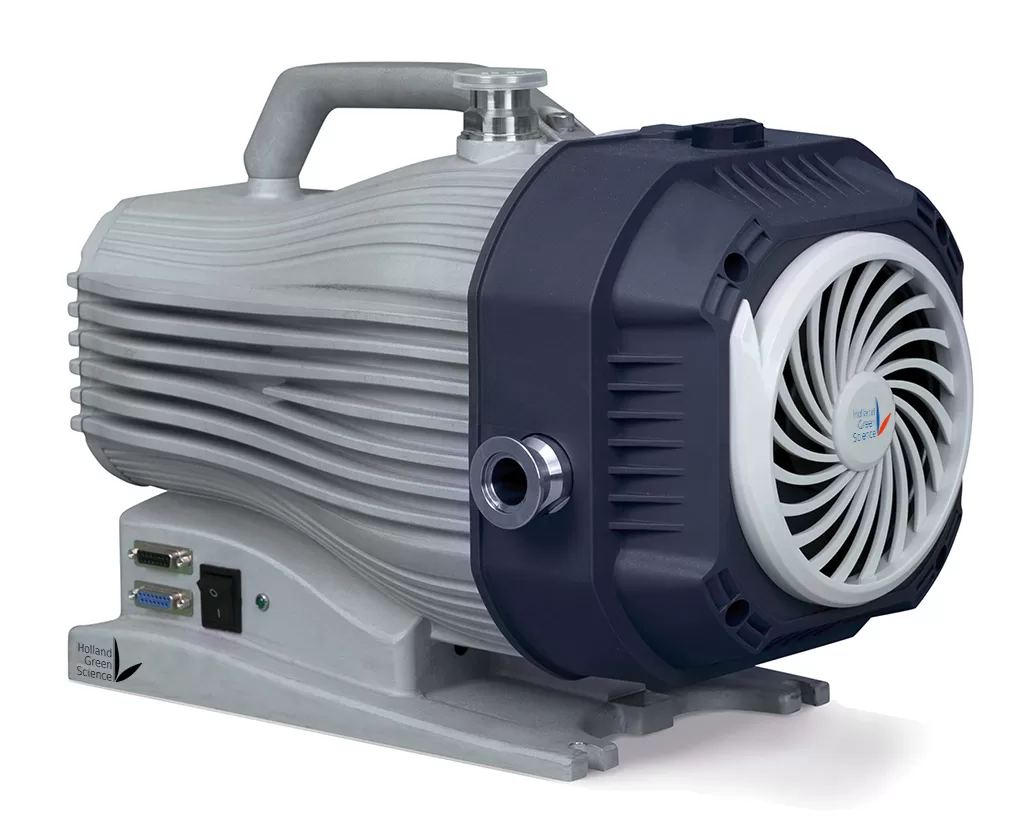
- Quiet Operation: The work environment is drastically improved. Advanced scroll pumps, like the Anemos pump offered by Cryowave Solutions, operate at an incredibly low noise level of just 54 dB. This is comparable to a quiet conversation or a modern refrigerator, allowing for a focused and less stressful laboratory atmosphere.
- Long-Term Reliability: The hermetically sealed design of a scroll pump isolates the motor and bearings from the vacuum path and any corrosive process gases. This protects the pump’s most critical components, significantly reducing wear and tear, preventing premature failure, and extending the overall lifespan of the equipment for a superior return on investment.
Head-to-Head Comparison: Oil-Sealed vs. Oil-Free Scroll Pumps
When selecting a vacuum pump, a direct comparison of the features that matter most to a regulated and high-throughput laboratory reveals a clear winner. While the initial purchase price is a factor, the Total Cost of Ownership (TCO) and risk profile tell the complete story. The following table breaks down the key differences between traditional oil-sealed technology and the modern oil-free scroll pump.| Feature | Oil-Sealed Rotary Vane Pump | Oil-Free Scroll Pump (Anemos) |
|---|---|---|
| Contamination Risk | High (Oil Backstreaming) | Zero |
| Routine Maintenance | Frequent (Oil Changes, Disposal) | Minimal (Tip Seal every 2-3 years) |
| Noise Level | Moderate to High | Extremely Low (54 dB) |
| Ideal Applications | Industrial processes, deep vacuum | Sensitive Labs, Mass Spec, Freeze Drying, GMP environments |
| Operational Purity | Requires traps and filters | Inherently Clean |
| Long-Term Cost | Lower initial price, higher running costs | Higher initial price, lower total cost of ownership |

The Cryowave Advantage: Why Local Support in Israel Matters
Acquiring the right equipment is only half the battle; ensuring its continuous, reliable operation is what truly defines success. This is where the choice of a partner becomes more critical than the choice of a product. Cryowave Solutions is not just another equipment reseller. We are the exclusive local branch of the world-renowned Dutch manufacturer, Holland Green Science, right here in Israel. This unique position allows us to offer a level of service and support that is simply unattainable by competitors, who often act as mere ‘box movers’—importing equipment with no local infrastructure to support it. When your critical processes are on the line, you cannot afford to wait for international support or parts shipment. This is why we developed the Cryowave ‘Local Advantage’, a commitment built on tangible, local assets that guarantee your lab’s uptime and the integrity of your advanced scientific research.- Local Stock in Israel: We maintain a comprehensive inventory of pumps, including the state-of-the-art Anemos scroll pump, and—most importantly—all necessary spare parts. This means immediate availability, eliminating the weeks-long delays associated with international shipping and customs.
- Local, Certified Technicians: Our support team consists of expert engineers based in Israel. They are factory-trained by Holland Green Science and possess an in-depth understanding of your equipment and its applications. When you need help, you get a local expert, not a call center in another time zone.
- 4-Hour SLA Response Time: We offer an unmatched service level agreement (SLA) that guarantees a technician response within four hours for critical issues. This is our promise of minimal downtime, providing the ultimate peace of mind for lab managers under pressure.
- Compliance Expertise: All our solutions, including the Anemos oil-free pump, are CE Certified and GMP Ready. We understand the stringent regulatory landscape of the Israeli pharmaceutical and medical cannabis industries and provide equipment that is designed to meet and exceed these standards.
Don’t settle for a product in a box. Choose a partner invested in your success. For a consultation on upgrading your lab’s vacuum technology with guaranteed local support, call Cryowave Solutions today at +972-58-649-3124.